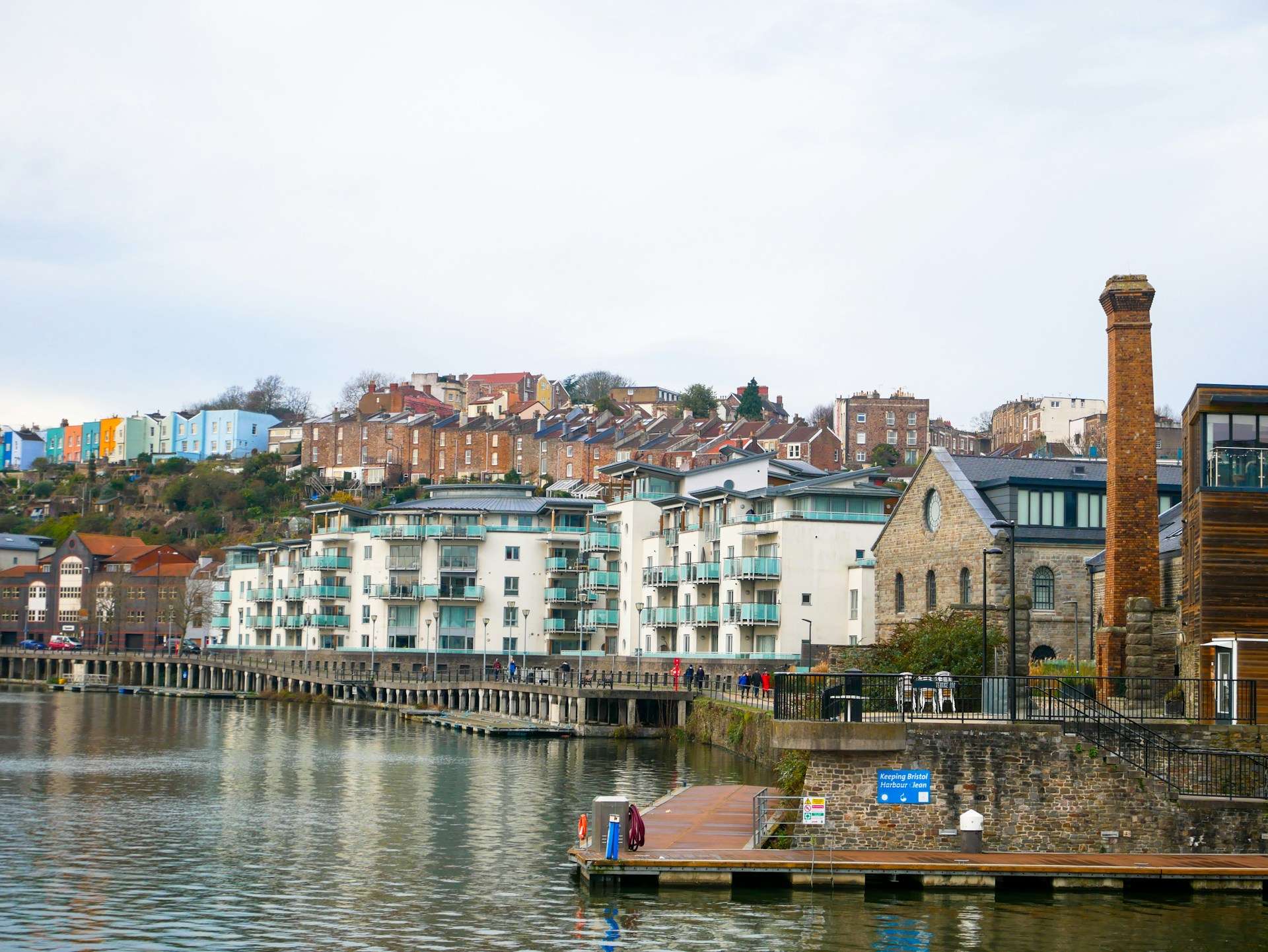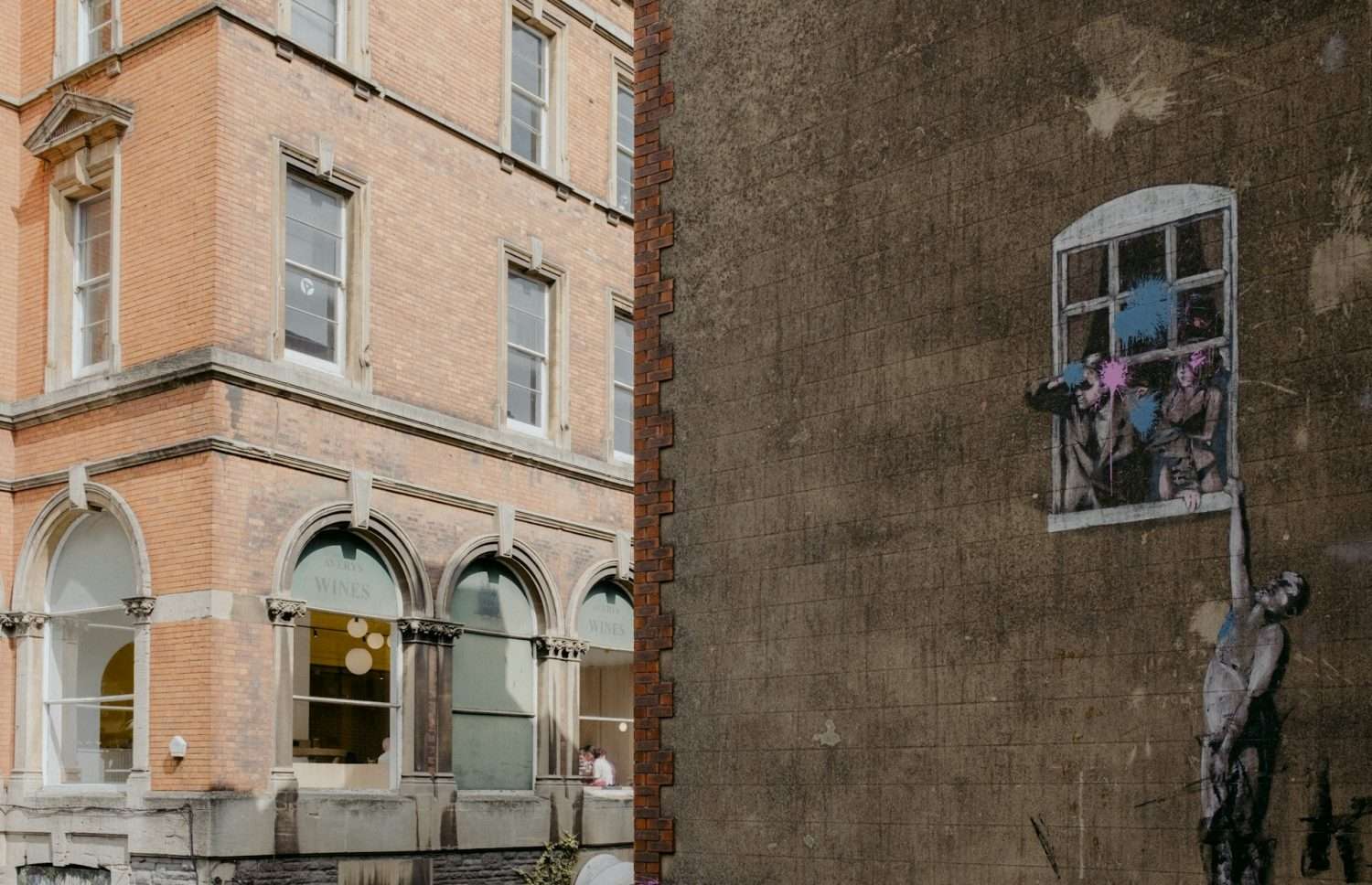
Bristol is famous for the Clifton Suspension Bridge, Brunel’s engineering, its historic harbour, Banksy, the Bristol Sound, hot air balloons, Concorde and Aardman Animations. The city is also recognised for its street-art culture, independent businesses and place in British social history.
In short, Bristol is best known for combining engineering and maritime heritage with music, animation and public art. These connections can still be seen across the city, from the Avon Gorge and Floating Harbour to Filton, Stokes Croft and Ashton Court.
Bristol’s famous landmarks and engineering
Clifton Suspension Bridge
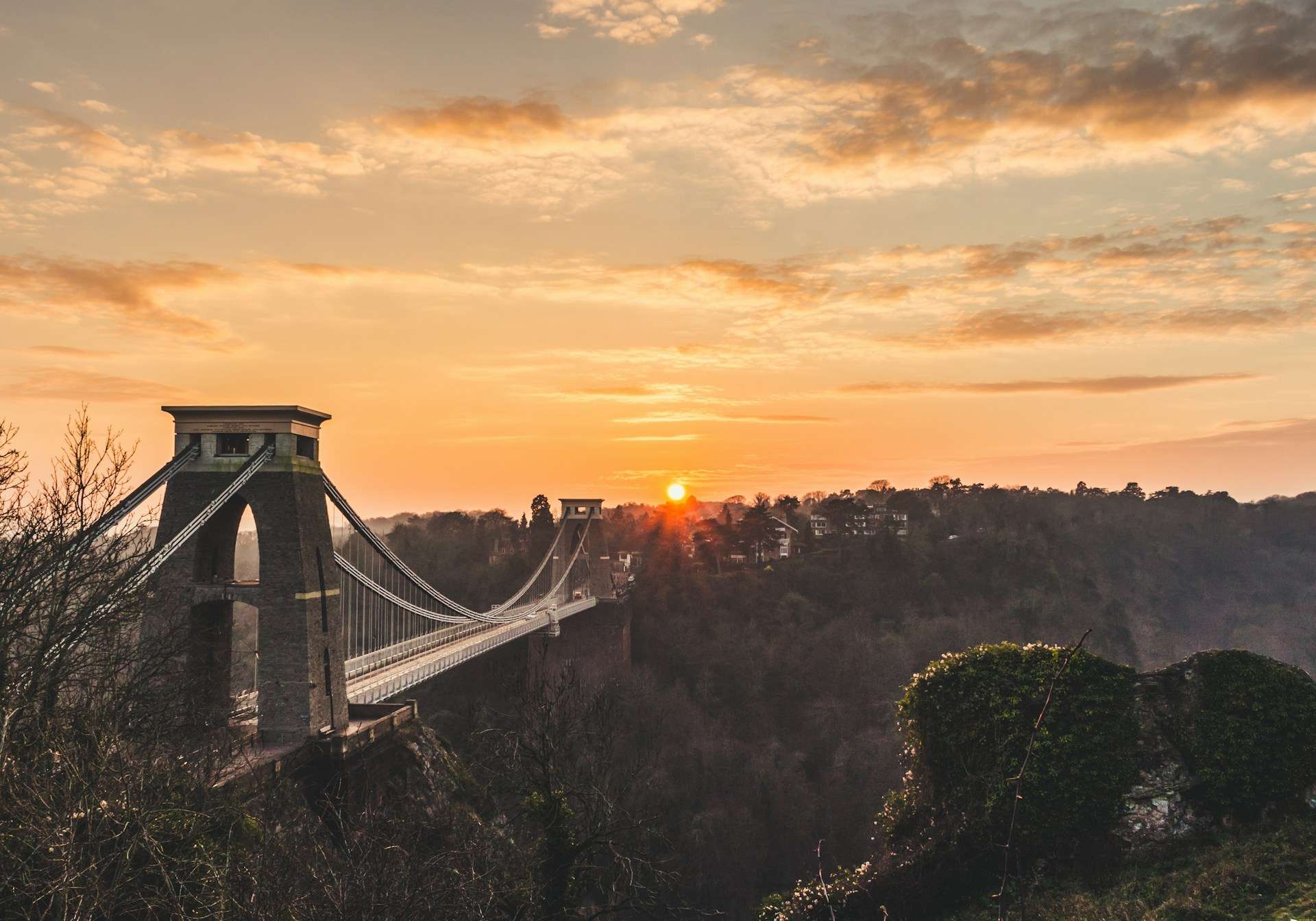
The Clifton Suspension Bridge is one of Bristol’s most recognisable landmarks. It crosses the Avon Gorge between Clifton and Leigh Woods and has become a defining image of the city.
Isambard Kingdom Brunel designed the bridge, although he did not live to see it completed. Construction faced financial difficulties and long delays before work resumed in 1862. The bridge opened in 1864, with chains from Brunel’s former Hungerford Suspension Bridge in London reused as part of the project.
Its setting adds to its appeal. Woodland rises on one side of the gorge, while Clifton’s Georgian and Victorian streets sit on the other. People can cross the bridge on foot or view it from Clifton, the Downs and Leigh Woods.
Brunel’s SS Great Britain
Brunel’s SS Great Britain is another major part of Bristol’s engineering history. The ship was built in the city and launched in 1843.
Its design combined a large iron hull with screw propulsion, helping to influence the development of long-distance passenger ships. The vessel is now preserved in the Great Western Dockyard, close to where it was originally constructed.
Brunel’s work can also be seen at Bristol Temple Meads. The station, suspension bridge and SS Great Britain explain why Bristol remains closely associated with Victorian transport and engineering.
Concorde and Bristol’s aerospace industry
Bristol is famous for its contribution to British aviation and aerospace engineering, centred around Filton on the northern edge of the city.
Concorde 002 made the first British test flight of Concorde from Filton on 9 April 1969. The aircraft completed a 22-minute flight to RAF Fairford in Gloucestershire as part of the joint British and French programme to develop supersonic passenger travel.
All 10 British-built Concordes were assembled in north Bristol and made their maiden flights from Filton. Concorde Alpha Foxtrot, the last Concorde built and the final one to fly, forms the centrepiece of the collection at Aerospace Bristol.
Why is Bristol Harbour famous?
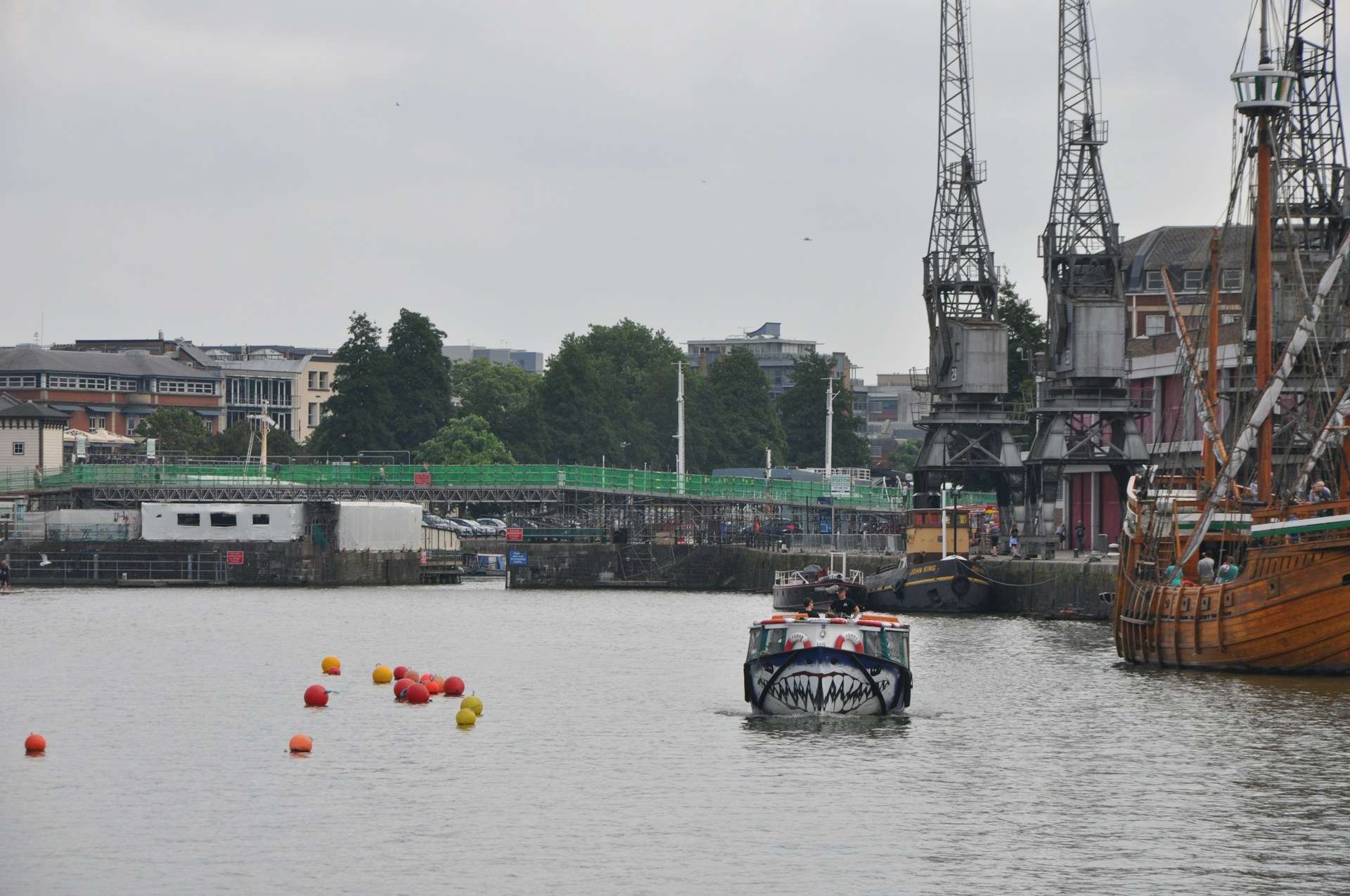
Bristol Harbour reflects the city’s long history as an important trading port. Bristol’s position on the River Avon gave ships access to the Bristol Channel and overseas trading routes.
The central harbour is commonly known as the Floating Harbour because its water level remains broadly constant rather than following the full tidal range of the river. Its docks and quays once handled goods arriving from Britain and overseas.
Today, Bristol Harbour is used by ferries, leisure boats and water-based businesses. Former industrial buildings now contain museums, restaurants, offices, cultural venues and homes. Historic warehouses remain visible around Spike Island, Wapping Wharf, Hotwells and the city centre.
M Shed explores Bristol’s industries, trading history, communities and campaigns. The nearby SS Great Britain offers a closer look at the city’s contribution to maritime engineering.
Bristol and the transatlantic trafficking of enslaved people
Bristol’s maritime history includes its deeply troubling involvement in the transatlantic trafficking of enslaved African people. Merchants, businesses and institutions in the city benefited from slavery and plantation economies.
According to Bristol Museums, more than half a million enslaved African people were transported on Bristol ships to the Americas between 1698 and 1807. Wealth associated with the trade contributed to family fortunes, organisations and parts of Bristol’s built environment.
This history is explored through Bristol Archives, M Shed, the Georgian House Museum and other Bristol Museums collections. It remains part of the public discussion about how the city presents and understands its past.
That discussion received international attention in June 2020, when the statue of slave trader Edward Colston was pulled down during a Black Lives Matter protest. Bristol’s development cannot be understood fully without acknowledging the exploitation that contributed to some of its wealth.
Banksy and Bristol street art
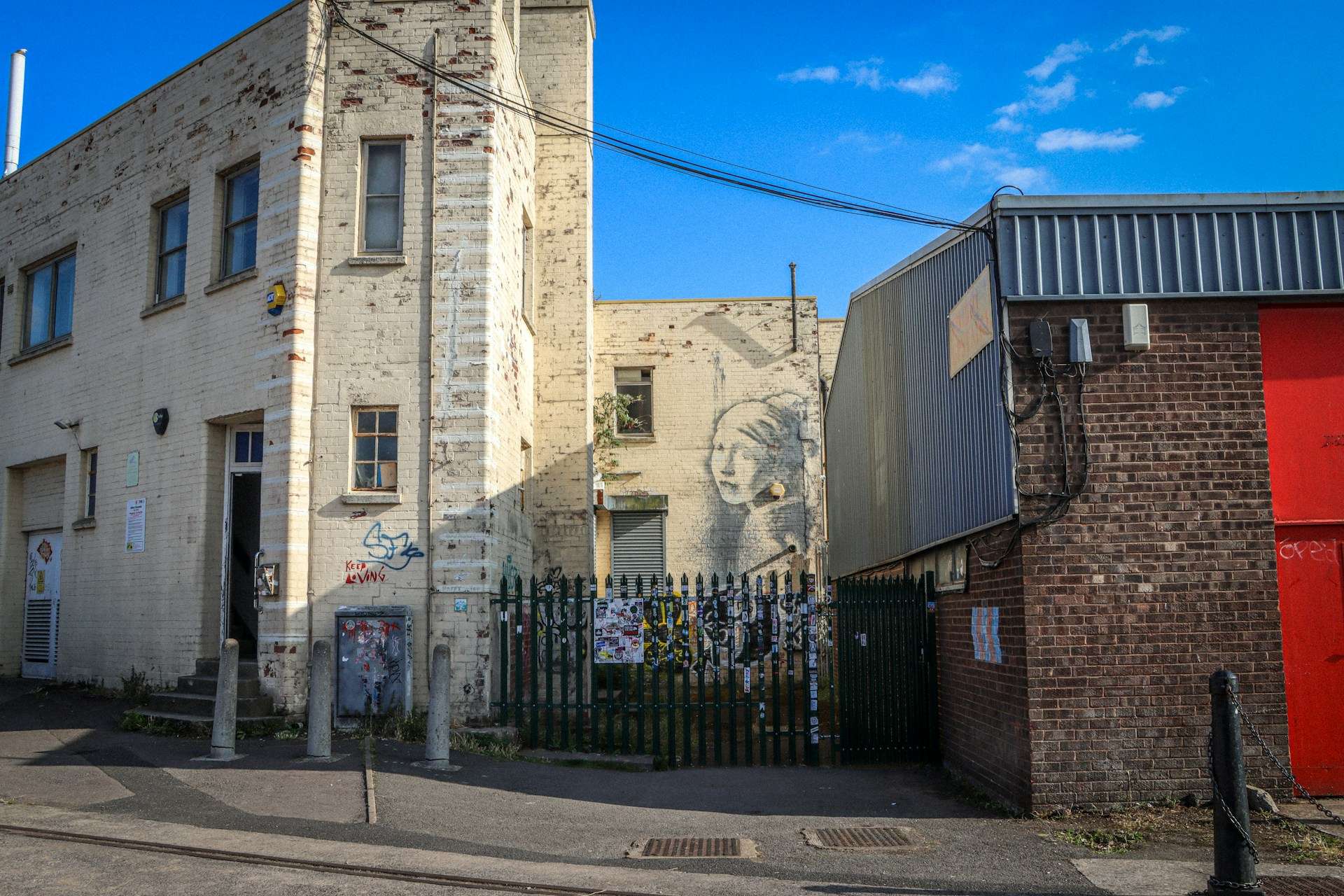
Bristol is closely associated with Banksy and is widely recognised for its street-art culture.
Works connected with Banksy can be found in public spaces and museum collections. The Paint-Pot Angel is displayed at Bristol Museum & Art Gallery, while the Grim Reaper was removed from the hull of Thekla and transferred to M Shed to protect it from further deterioration.
In 2009, the Banksy versus Bristol Museum exhibition placed more than 100 works throughout Bristol Museum & Art Gallery. Some visitors queued for hours, showing the scale of public interest in the artist.
Banksy is only one part of Bristol’s street-art story. Stokes Croft, Nelson Street, Easton and Bedminster all have strong associations with public art. Individual works may be altered, removed or painted over, so what people see can change over time.
What music is Bristol known for?
Bristol became internationally recognised for a music scene associated with Massive Attack, Portishead and Tricky.
Their work combined electronic production with influences from hip-hop, reggae, dub, soul and sound-system culture. This music became widely known as the Bristol Sound or trip-hop, although some artists connected with the scene did not embrace those labels.
The city’s musical history began before the Bristol Sound attracted international attention. Reggae artists including Black Roots, Talisman and Joshua Moses built audiences locally and nationally. Bristol’s Caribbean communities and sound-system culture also influenced later generations of musicians and producers.
Independent venues, clubs, record shops and promoters continue to support music across Bristol. Stokes Croft and Old Market remain closely associated with grassroots venues and nightlife, although smaller venues face pressure from rising operating costs and changing audience habits.
Wallace & Gromit and Aardman Animations
Bristol is home to Aardman Animations, the studio associated with Wallace & Gromit, Morph, Shaun the Sheep and Chicken Run.
Peter Lord and David Sproxton founded Aardman in 1972. Nick Park later created Wallace and Gromit, whose films helped establish the studio’s international reputation for stop-motion animation and British humour.
Aardman’s characters have appeared in exhibitions, public displays and charity art trails around Bristol. The company’s success has also contributed to the city’s wider animation, film and television industries.
Why are hot air balloons associated with Bristol?
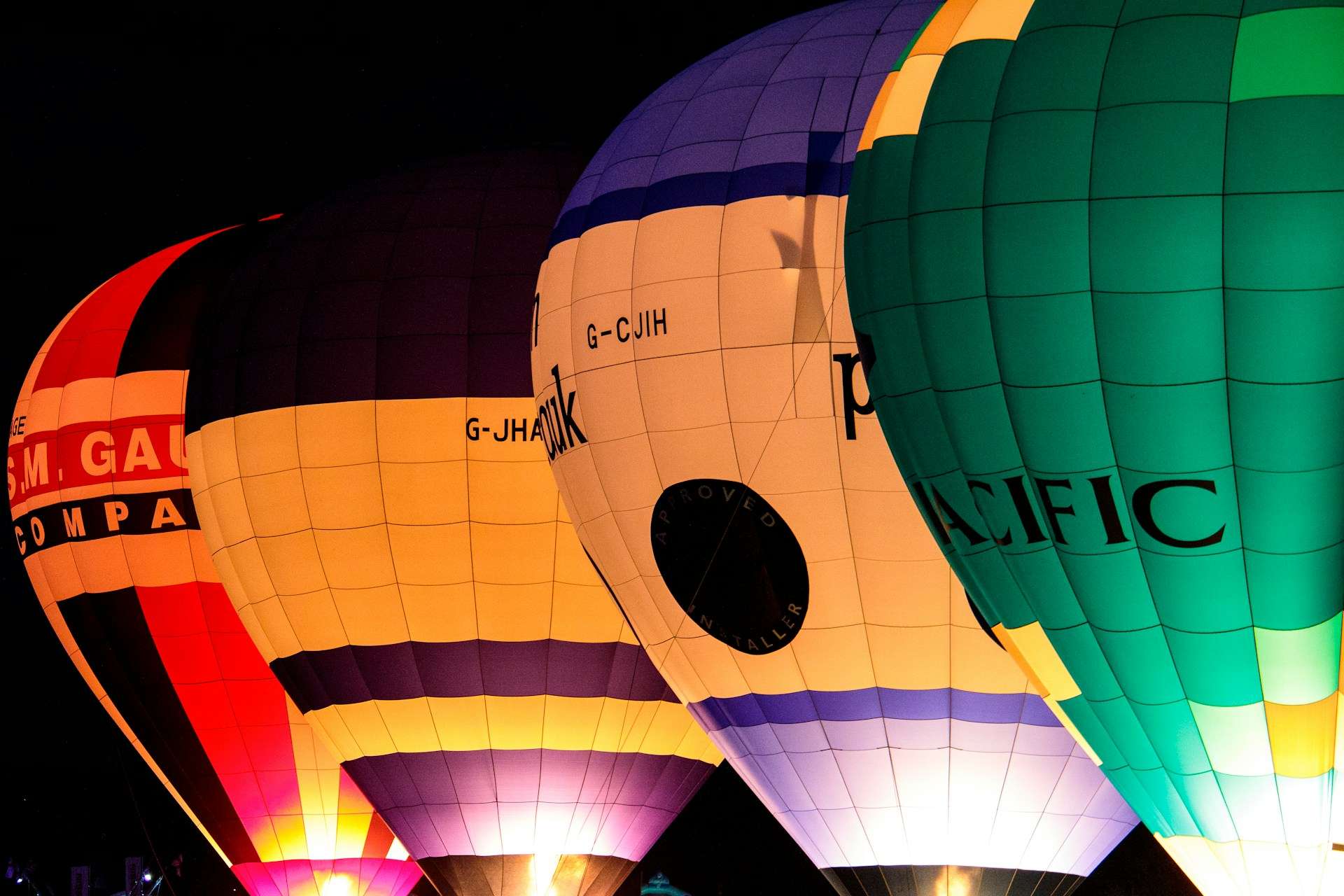
Hot air balloons are one of the images most strongly associated with Bristol.
The Bristol International Balloon Fiesta is held at Ashton Court Estate and celebrates the city’s long connection with ballooning.
Weather permitting, mass ascents send balloons across Bristol, where they can often be seen from parks, streets and gardens far beyond Ashton Court. The estate provides a fitting setting, with around 850 acres of grassland and woodland near the Avon Gorge and Clifton Suspension Bridge.
Balloon flights depend on wind, visibility and other weather conditions, so scheduled ascents may be delayed or cancelled. When conditions allow, balloons crossing the skyline create one of Bristol’s most recognisable scenes.
The Bristol Bus Boycott
The Bristol Bus Boycott is an important event in Bristol’s history and the wider British campaign for racial equality.
The boycott began in 1963 in response to a discriminatory employment policy that prevented Black and Asian people from working as bus drivers or conductors. Campaigners including Guy Bailey, Paul Stephenson and Roy Hackett challenged the policy.
Members of Bristol’s African-Caribbean community organised a boycott of the city’s buses, attracting local and national attention. The employment ban was eventually ended.
Bristol Museums describes the Bristol Bus Boycott as Britain’s first Black-led campaign against racial discrimination. The campaign formed part of the growing pressure for legal protection against racial discrimination before the Race Relations Act 1965.
Bristol’s independent food and drink
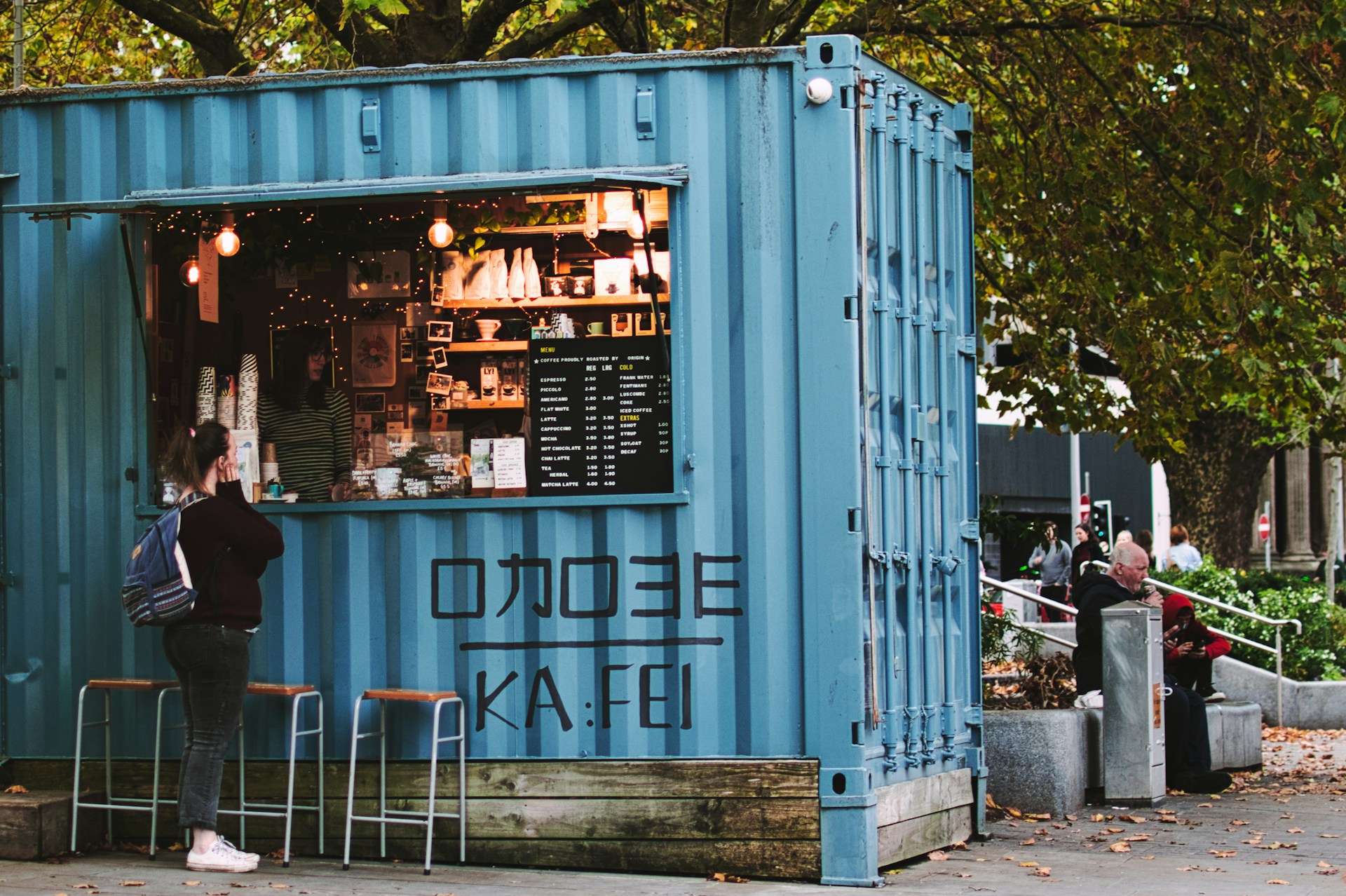
Bristol is known for independent food businesses, historic markets, pubs and brewing.
St Nicholas Market has traded since 1743 and is home to independent retailers, food businesses and market stalls. Its food traders reflect local enterprise and culinary influences from different parts of the world.
Bristol also shares the wider West Country association with cider. Independent breweries, taprooms, pubs and food traders can be found around the city centre and in neighbourhood shopping areas.
Bristol’s famous connections and neighbourhood character
The things Bristol is famous for are closely connected with its neighbourhoods. Clifton reflects the city’s Georgian and engineering history, while the Harbourside has been shaped by the former docks. Stokes Croft and Bedminster are associated with music, public art and independent businesses, while Filton retains close links with aerospace.
For people interested in property, these connections help explain why different parts of Bristol can feel so distinct.
Bristol’s lasting reputation
Bristol’s reputation has been shaped by engineering, creativity, maritime history and social change.
Its bridges, ships and aircraft reflect generations of engineering, while its music, animation and street art have reached international audiences. Bristol’s difficult history is also examined through its museums, archives and continuing public discussions.
Together, these connections have created a city known for invention, creativity, distinctive neighbourhoods and a willingness to examine its past.