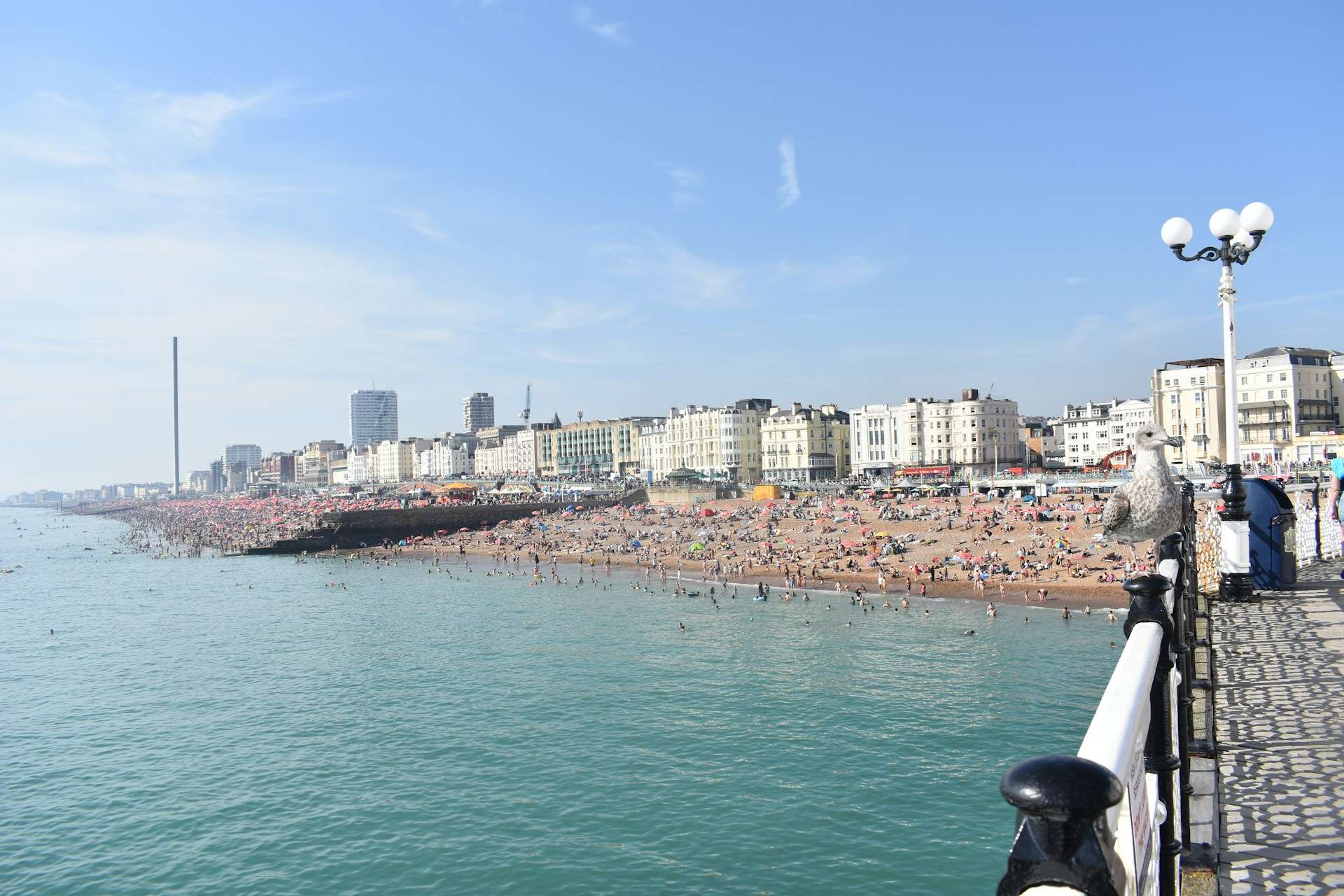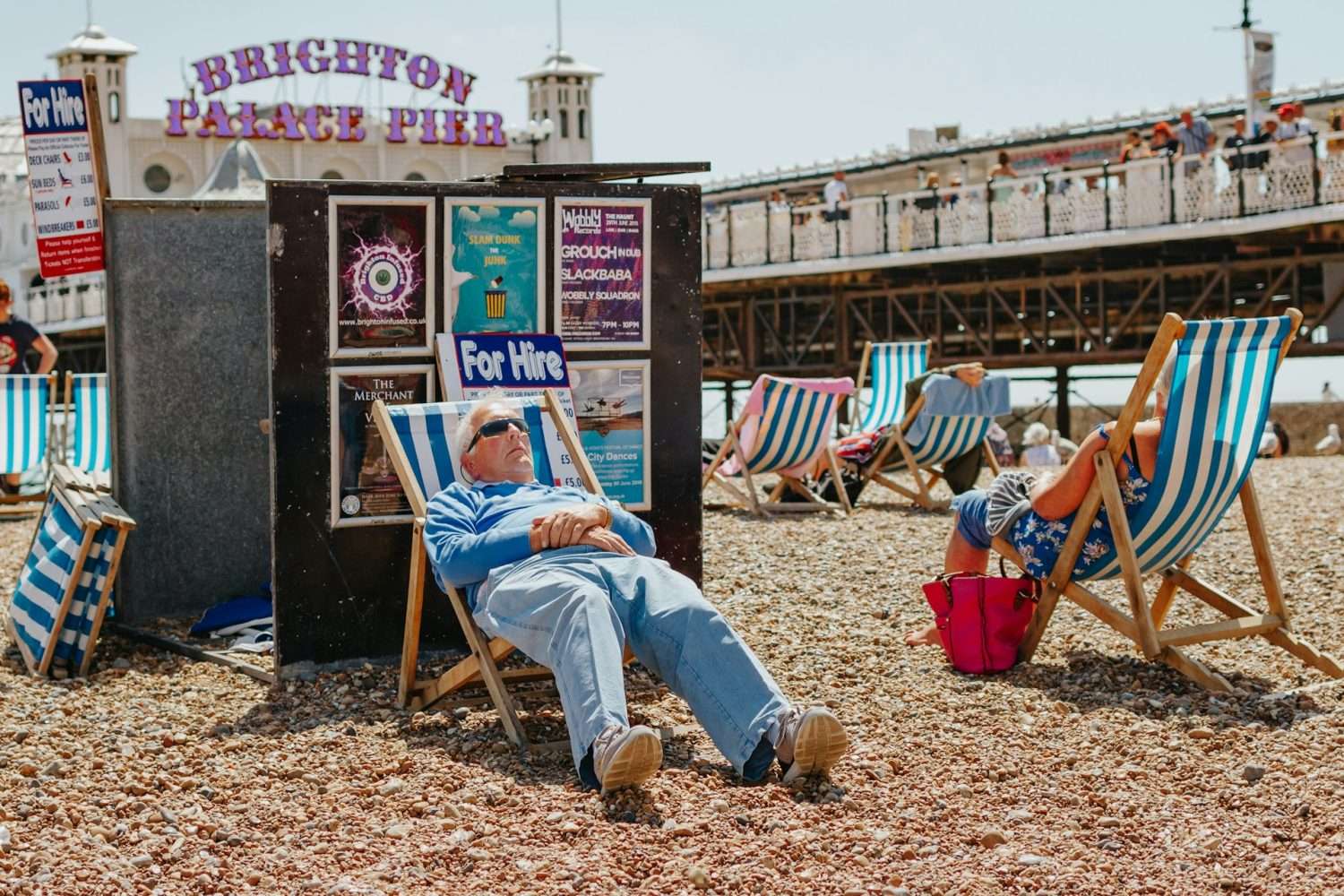
Brighton is known for its creative, independent and open-minded culture. Art, live music, performance, LGBTQ+ community life and the seaside all shape the city, with the greatest concentration of venues and events around central Brighton, North Laine and Kemptown.
Hove and neighbourhoods farther from the centre offer a different experience, where cultural venues and events sit alongside established residential streets and local centres. For people considering buying a home in Brighton, these differences can influence what is nearby and how an area feels during the day and evening.
Brighton & Hove City Council describes Brighton and Hove as internationally known for creativity and as home to hundreds of artists and creative producers. Its coastal setting, Georgian architecture, heritage and open outlook have helped attract creative communities.
What is Brighton’s culture like?
Brighton combines the traditions of a seaside resort with the outlook of a modern creative city. Regency terraces, historic squares and familiar seafront attractions sit alongside music venues, studios, independent cinemas and contemporary exhibitions.
Its reputation is not based only on tourism or major events. Artists, performers, producers, independent traders and freelancers live and work across Brighton and Hove. Design, digital media, film, publishing, fashion, music and performance contribute to working life as well as the city’s social character.
The University of Brighton and the University of Sussex bring students, researchers and arts programmes into the wider community. They add to the exhibitions, performances, talks and other events available across the city.
Creative work is also visible outside formal venues. Murals, decorated shutters, record shops, temporary installations and open-house exhibitions bring art into streets and residential neighbourhoods.
This mix helps Brighton feel different from a city where museums, theatres and nightlife are gathered within one district. Venues and creative spaces sit among homes, shops, cafés and public areas used by residents every day.
Art, museums and creative communities
Brighton and Hove has museums covering art, local history, design, fashion, film, natural history and world cultures. Some occupy prominent historic buildings, while others are set within residential neighbourhoods.
The Royal Pavilion Estate
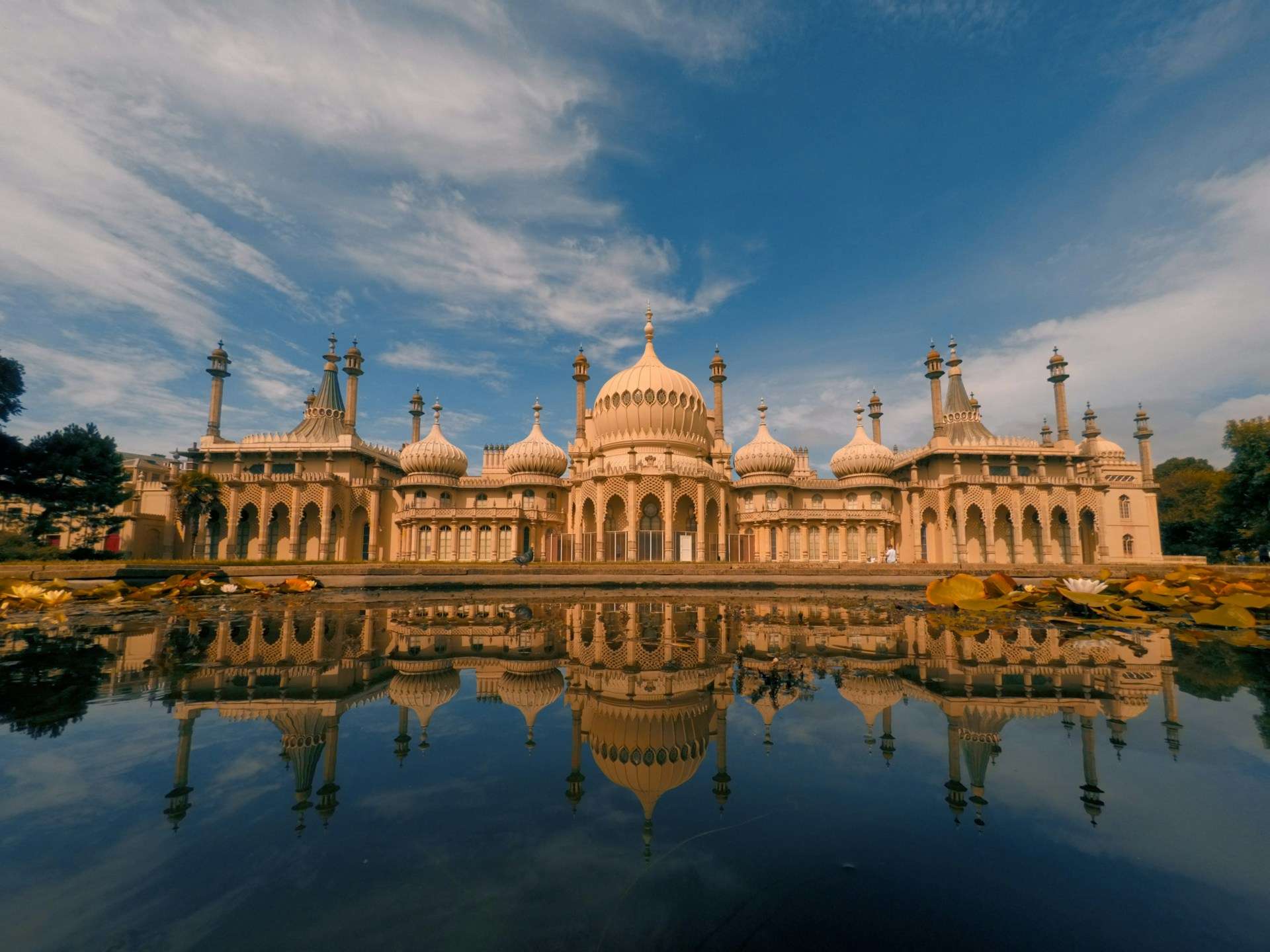
The Royal Pavilion is Brighton’s most recognisable historic building. Together with Pavilion Gardens, Brighton Museum & Art Gallery and Brighton Dome, it forms a closely grouped area for heritage, art and performance near North Laine and The Lanes.
Brighton Museum & Art Gallery explores local and international subjects through permanent collections and changing exhibitions. Its location connects art, design and social history with the distinctive architecture of the Royal Pavilion Estate.
Hove Museum of Creativity provides another arts destination farther west. Its displays cover Hove’s history, film, fine art, contemporary craft and toys, showing that the city’s museum offer extends beyond central Brighton.
Other venues managed by Brighton & Hove Museums include Preston Manor and the Booth Museum of Natural History. Together, these sites add social history, natural history and local stories to the city’s museum collection.
Artists Open Houses
Artists Open Houses allows people to view and buy work in homes, studios and community spaces across Brighton and Hove. Exhibitions can include painting, photography, print, ceramics, sculpture, textiles and jewellery.
The format brings art into residential areas rather than limiting it to conventional galleries. Local trails have included Brunswick Town, Fiveways, Hanover, Hove, Kemptown, Portslade, Seven Dials and West Hove.
Participating venues can change between programmes, encouraging people to explore different neighbourhoods while giving artists opportunities to meet audiences directly.
Public art and street art
Murals and street art contribute to Brighton’s visual character, especially around North Laine, Trafalgar Street and routes leading away from Brighton railway station.
Individual works may change or be replaced, but that temporary quality is part of their character. Contemporary murals and decorated shutters contrast with the formal architecture around the Royal Pavilion, Regency Square and the seafront.
Brighton & Hove City Council also publishes public art trails covering Brighton town centre and Hove, providing another way to explore art in the city’s streets and public spaces.
Independent shops and local character
Independent businesses form a recognisable part of Brighton’s identity. Record shops, vintage markets, cafés, specialist food businesses and smaller retailers give some streets a different character from a conventional shopping centre.
What is the difference between North Laine and The Lanes?
North Laine and The Lanes are separate parts of Brighton, despite their similar names.
North Laine lies between Brighton railway station and the Royal Pavilion Estate. Sydney Street, Kensington Gardens, Gardner Street and Bond Street contain independent shops, cafés, pubs and creative businesses.
The area’s character can be seen in businesses such as Resident Music, vintage market Snoopers Paradise and worker-managed Infinity Foods. These businesses reflect North Laine’s links with music, second-hand goods, specialist food and independent trade.
The Lanes are closer to the seafront. This older network of narrow passages and hidden squares is associated with jewellery shops, restaurants, pubs and historic buildings. Parts of the area date back to Brighton’s earlier life as the fishing town of Brighthelmstone.
The two areas offer different experiences. North Laine has stronger associations with records, vintage clothing, alternative fashion and street art. The Lanes combine older streets with jewellery, hospitality and specialist shopping.
Independent cafés, pubs and restaurants also shape areas outside the city centre. Kemptown, Church Road in Hove and smaller neighbourhood centres provide places to meet and spend time locally.
Music, theatre, comedy and independent cinema
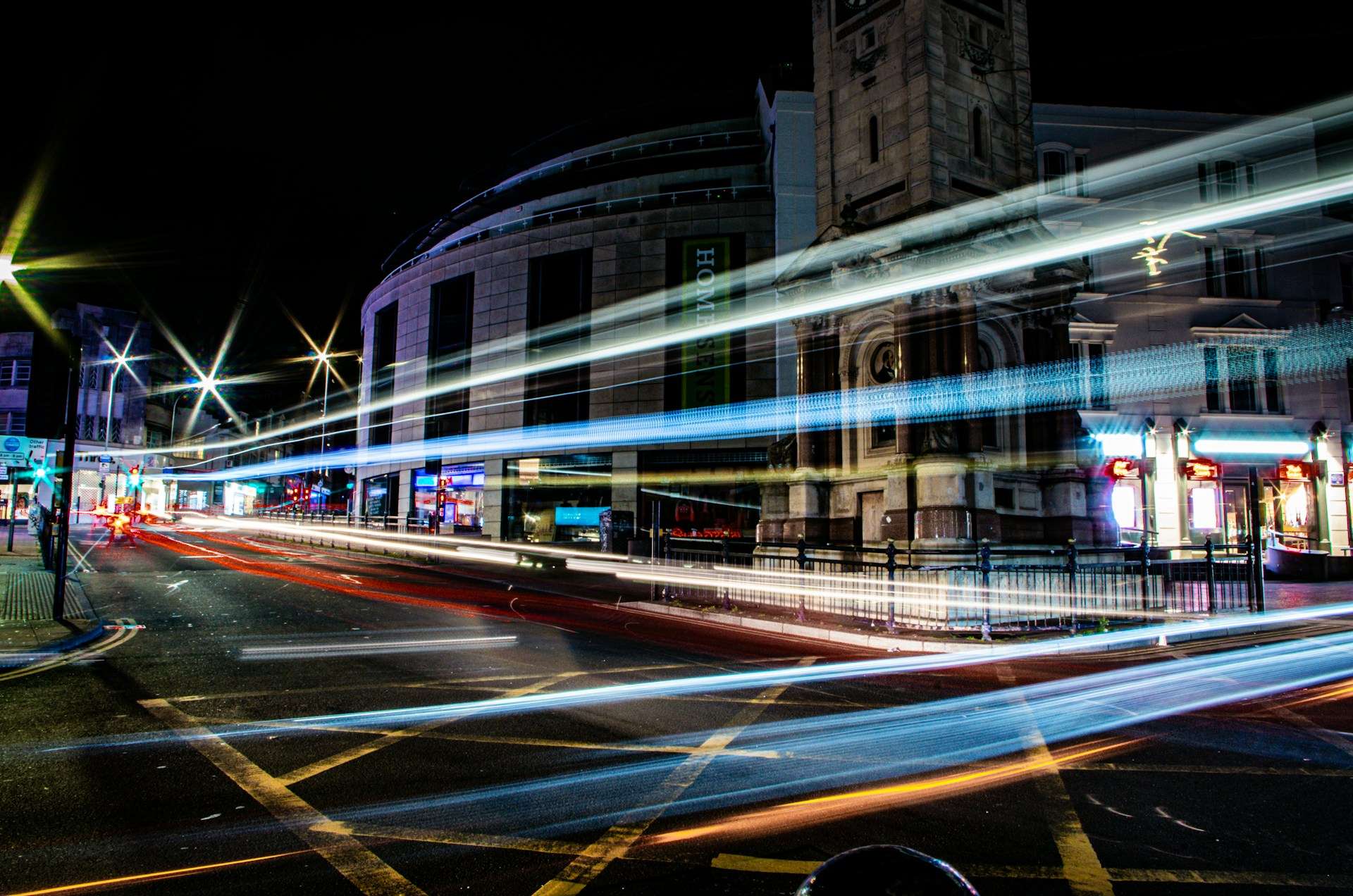
Brighton has live music, theatre, classical concerts, dance, comedy, spoken word and smaller productions throughout the year.
Brighton Dome presents music, theatre, comedy, dance, literature and family entertainment across its Concert Hall, Corn Exchange and Studio Theatre. Its location beside the Royal Pavilion places live performance within Brighton’s historic centre.
The performance scene also includes Komedia, Concorde 2 and The Old Market. These venues support live music, stand-up comedy, theatre and smaller productions across central Brighton, the seafront and Hove.
Duke of York’s Picturehouse, near Preston Circus, shows mainstream and independent films alongside themed events and late-night screenings. The building’s history also contributes to its identity as a Brighton cinema.
This range means music, film, comedy and performance are not restricted to Brighton’s main festival season. Residents can find events throughout the year, from large productions to shows in smaller spaces.
Brighton’s seaside culture
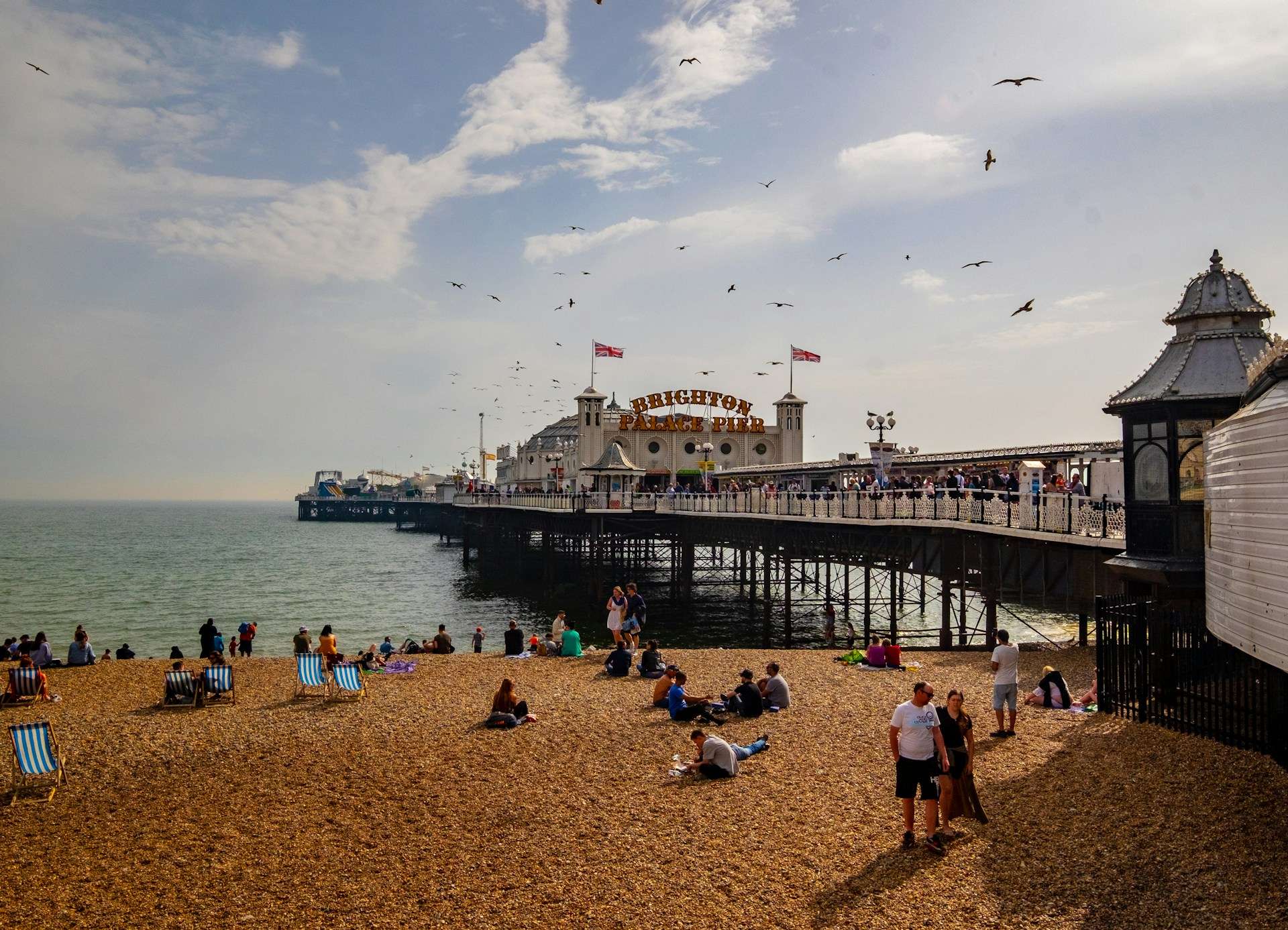
The sea influences how Brighton looks, feels and uses its public spaces. The beach and promenade are not only visitor attractions. They provide settings for social gatherings, outdoor events, performance and everyday leisure.
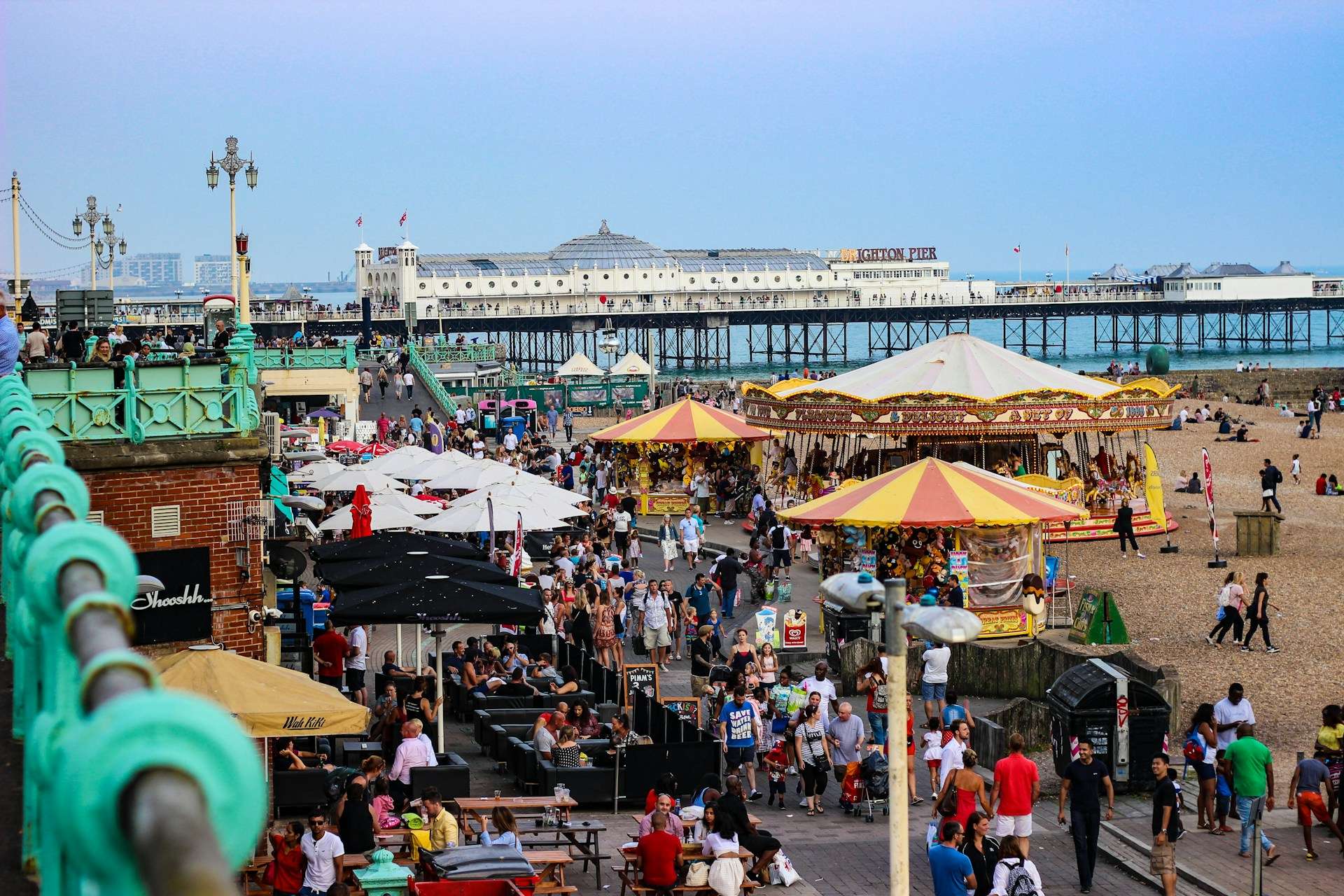
Brighton Palace Pier reflects the city’s traditional seaside history, while newer venues and businesses represent changing forms of entertainment. Regency architecture, nightlife, public art and beach life sit within a relatively narrow area between the city centre and the water.
The seafront also connects neighbourhoods with different personalities. Brunswick Town and Hove lie to the west of central Brighton, while Kemptown and the eastern seafront extend towards Brighton Marina.
Brighton’s relationship with the coast separates it from many other UK creative cities. The sea influences where people gather, how outdoor events are experienced and how neighbourhoods relate to one another.
Festivals and events in Brighton
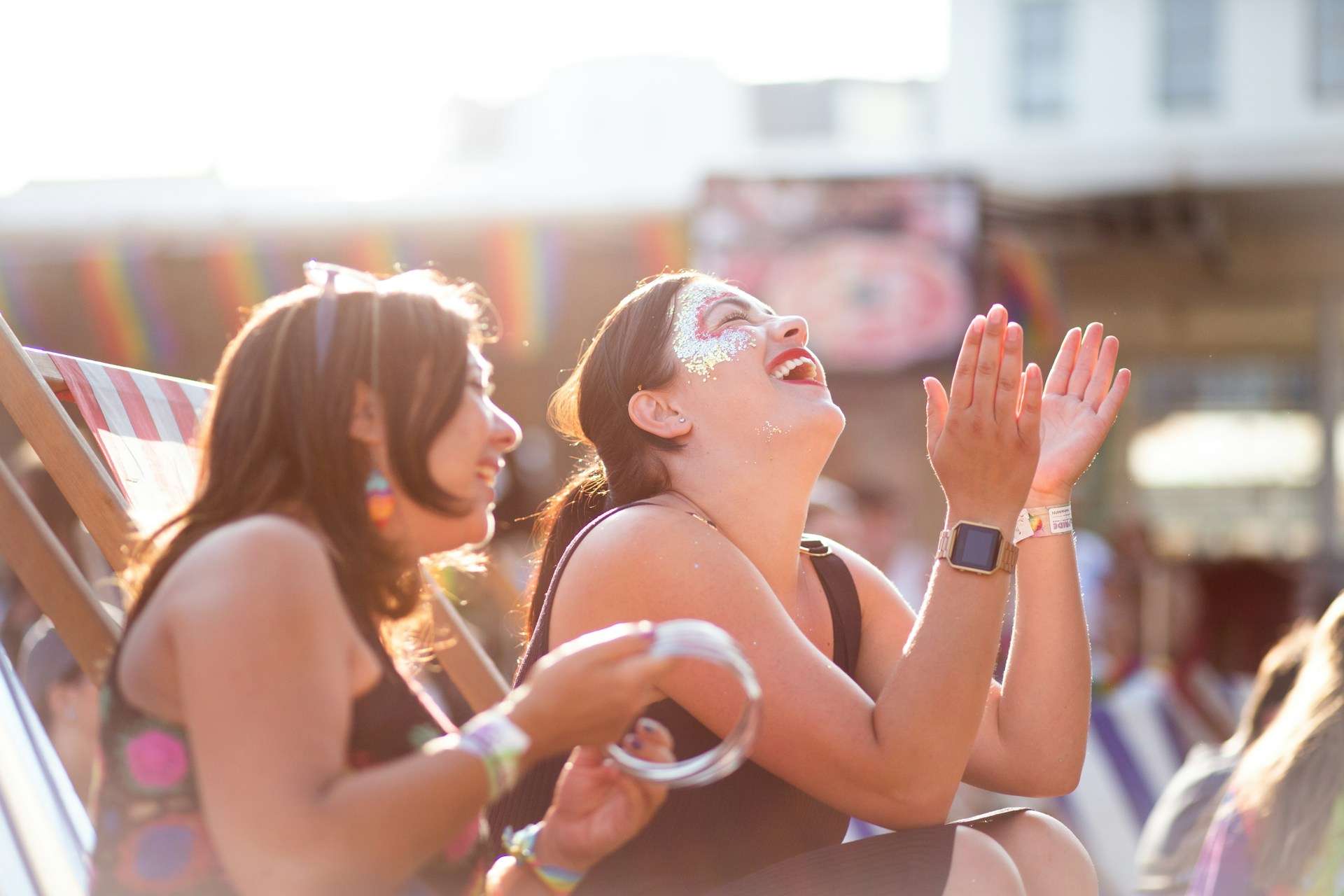
Brighton’s events calendar brings performances into theatres, parks, community buildings, outdoor spaces and temporary venues. Each major event has its own purpose and character.
Dates, programmes and participating venues can change, so current details should be checked with the relevant organiser.
Brighton Festival and Brighton Fringe
Brighton Festival is an established curated arts event covering theatre, music, dance, circus, visual art, outdoor work and family entertainment. It uses Brighton Dome alongside community settings and venues across the city.
Brighton Fringe provides a platform for independent performers and producers. Its programme includes comedy, theatre, cabaret, music, exhibitions, literature, spoken word and workshops.
The two events are separate, but together they make the spring festival season an active period for art and performance across Brighton.
The Great Escape
The Great Escape is a citywide event centred on new music. It uses venues across central Brighton rather than one large outdoor site, allowing audiences to move between performances throughout the day and evening.
Its accompanying conference brings artists and people working in the music industry to Brighton. Existing stages, streets and neighbourhoods become part of the event rather than acting only as routes to a separate festival site.
Brighton Pride and LGBTQ+ community life
Brighton & Hove Pride is a major event in the city’s calendar. Its programme has included the LGBTQ+ Community Parade, events in Preston Park, a street party and fundraising for local community groups.
LGBTQ+ community life in Brighton and Hove continues throughout the year. Switchboard, Ledward Centre and MindOut are among the organisations providing information, community space and support.
Kemptown, especially the area around St James’s Street, has close associations with LGBTQ+ venues and social life. LGBTQ+ communities are found across Brighton and Hove, so this side of the city should not be associated with one neighbourhood alone.
Culture across Brighton’s neighbourhoods
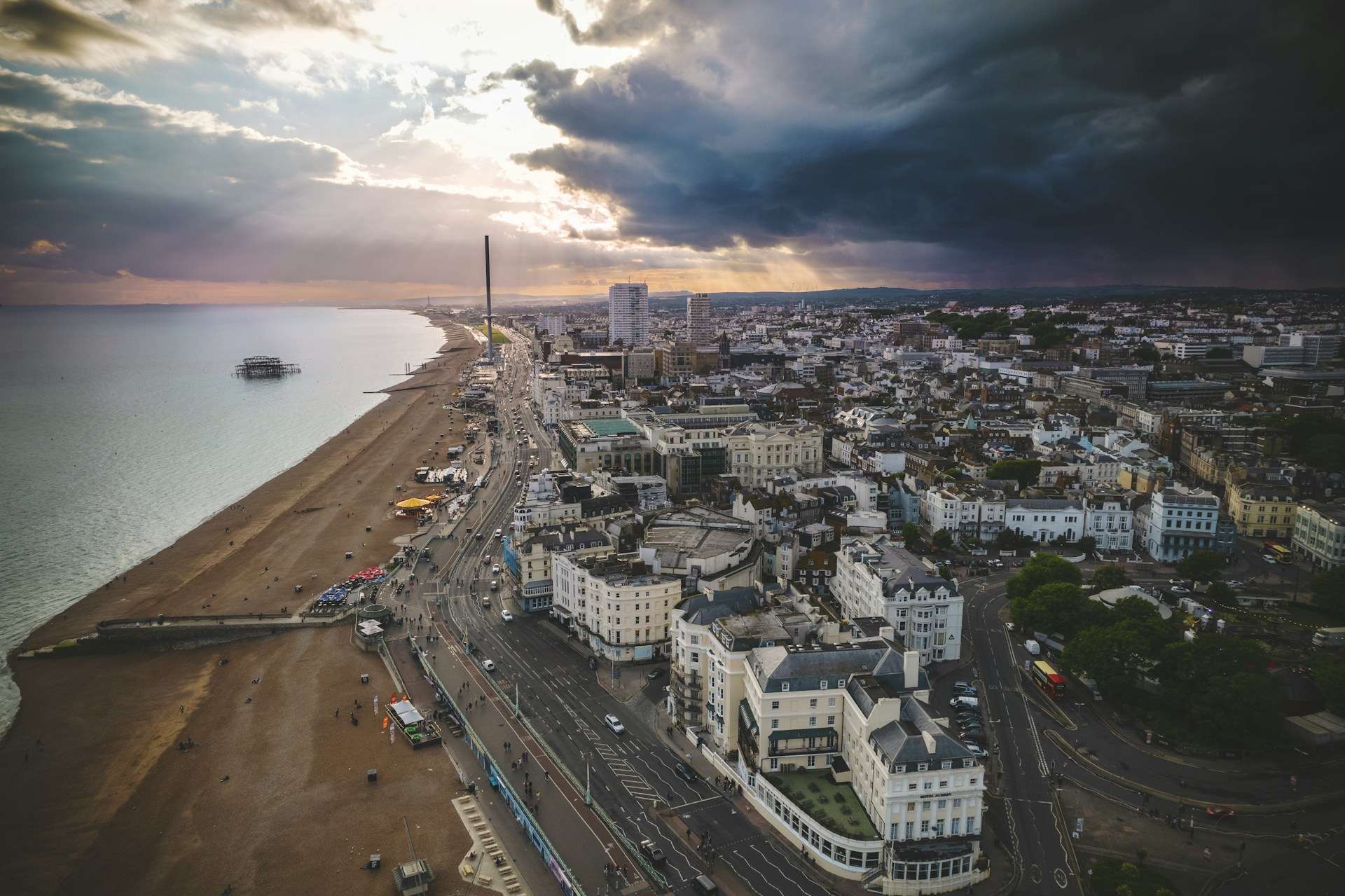
Brighton’s venues and events explain what the city offers, but its neighbourhoods determine how closely residents experience that activity in daily life.
Central Brighton and North Laine
Central Brighton has the greatest concentration of museums, performance venues, independent shops, restaurants and visitor attractions.
North Laine has an informal atmosphere created by the close mixture of homes, shops, cafés and entertainment. Living here places residents near regular activity and city-centre facilities.
Kemptown and St James’s Street
Kemptown combines Regency architecture, seafront access, hospitality businesses and LGBTQ+ social life.
St James’s Street is one of its busiest sections, while nearby residential roads can feel quite different. This part of Brighton places residents near the beach and areas associated with the city’s evening economy.
Hove and Brunswick Town
Hove Museum of Creativity, cafés, restaurants and neighbourhood events help give Hove its own identity. Creative activity sits among established residential streets and local centres.
Brunswick Town connects Hove with Brighton through Regency architecture, public squares and the seafront. Farther west, Church Road and George Street provide concentrations of shops, cafés and restaurants.
Neighbourhood life beyond the centre
Fiveways, Hanover, Preston Park, Queen’s Park, Seven Dials, Patcham and Rottingdean offer different combinations of cafés, pubs, parks and community activity.
Local life in these areas is less dependent on major venues. It tends to develop around neighbourhood businesses, smaller events and local meeting places. Residents can take part in Brighton’s wider arts and social scene without living in its busiest visitor districts.
Architecture and Brighton’s identity
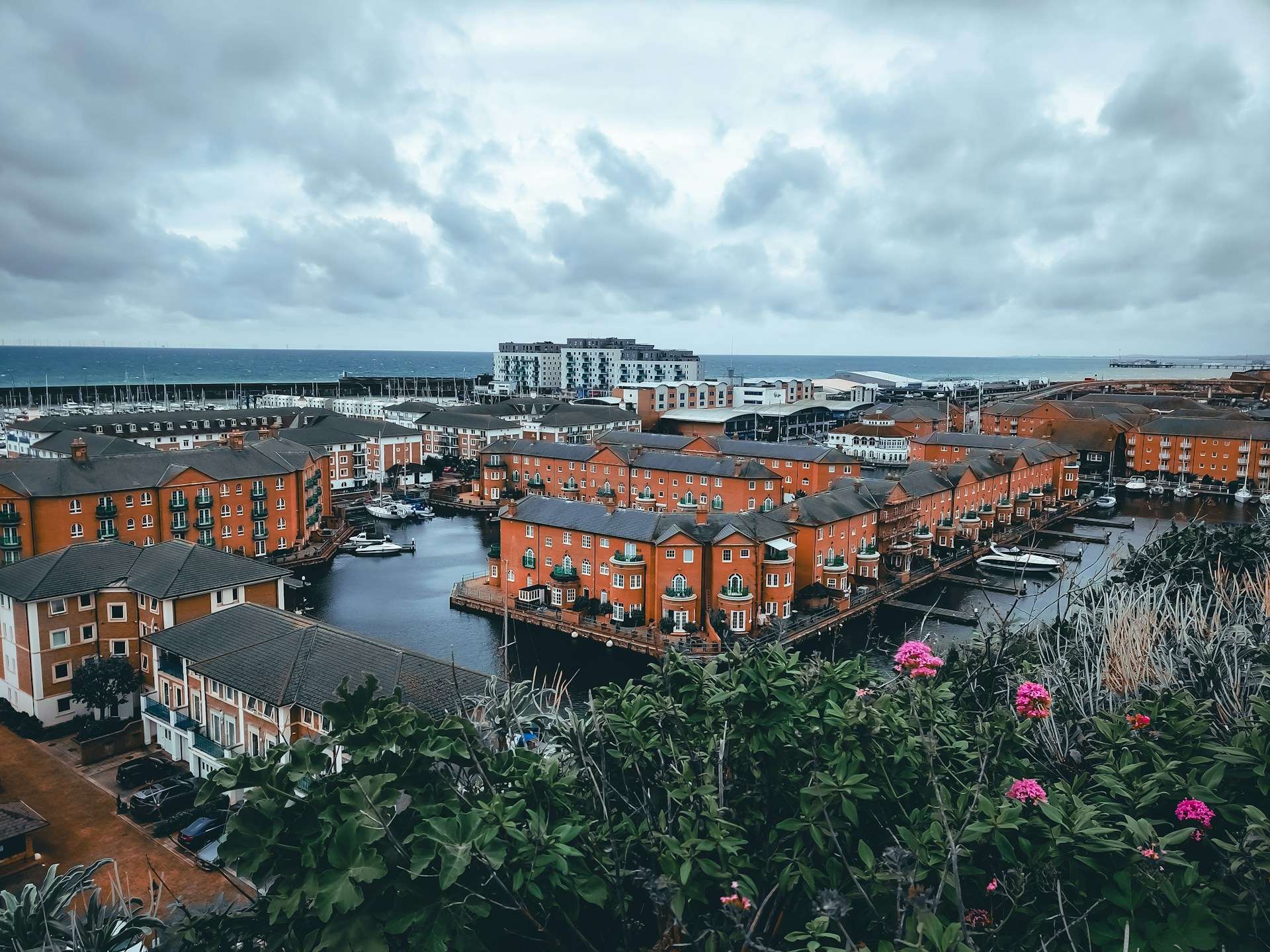
Brighton’s architecture reflects its development from a fishing settlement into a fashionable seaside destination and modern coastal city.
The Royal Pavilion is its most recognisable landmark. Regency terraces, crescents and squares shape Brunswick Town, Kemp Town and Regency Square, while Victorian streets contribute to neighbourhoods farther inland.
Many historic parts of Brighton and Hove are conservation areas. These include North Laine, Brunswick Town, Kemp Town, Old Hove, Preston Park, Queen’s Park, Regency Square and Rottingdean.
Restrictions vary by address, building type and proposed work. Buyers should check an individual property using Brighton & Hove City Council’s conservation area information and obtain appropriate professional advice before planning alterations.
Living near Brighton’s cultural districts
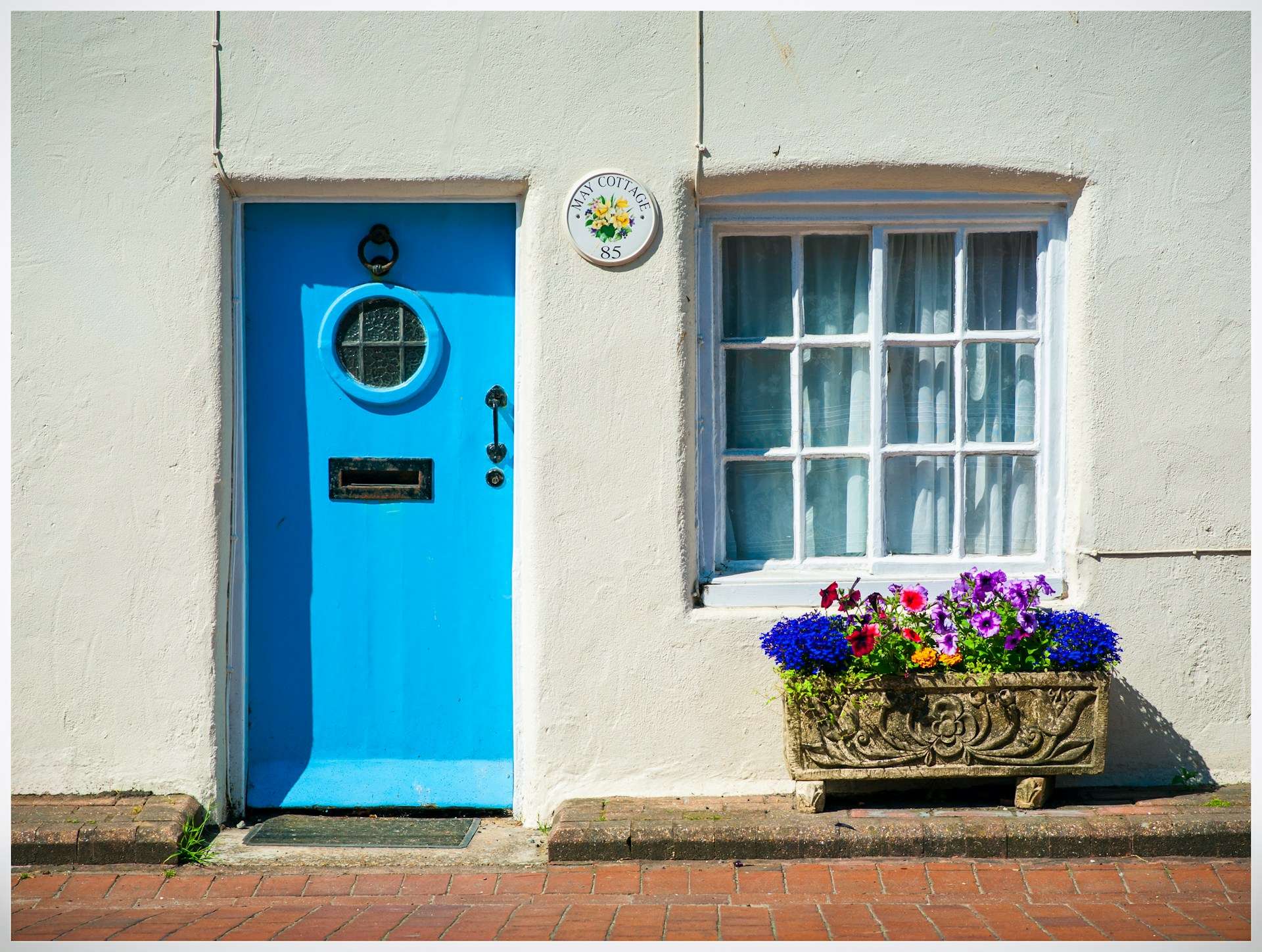
Living near Brighton’s venues and independent districts can place exhibitions, performances, shops, cafés and evening entertainment close to home. It can also mean more visitors, deliveries and late-night movement around central Brighton, St James’s Street and major event spaces.
Conditions can change within a short distance. A residential road in Kemptown may feel different from one beside St James’s Street. Living within North Laine can also provide a different experience from living a few streets beyond it.
Visiting a prospective area during the day and evening can provide a more balanced impression. Nearby venues, licensed premises and event spaces should be considered alongside the wider character of the neighbourhood.
Brighton’s creative identity is not limited to its festival calendar or best-known landmarks. It is present in its shops, streets, communities, venues and relationship with the sea. Choosing where to live is partly about deciding how closely you want that side of Brighton to form part of your daily surroundings.
Information about this guide
Businesses, organisations, event programmes and local conditions can change. Check current details directly with the relevant organisation before visiting or making a property decision.
Planning and heritage restrictions vary by property and proposed work. Check the individual address with Brighton & Hove City Council and obtain appropriate professional advice before planning alterations.