
Living in Exeter while working in London can provide access to jobs in the capital without requiring you to live there. Exeter has direct rail services to London, a compact city centre, established residential neighbourhoods and good connections to the Devon coast and countryside.
The distance needs careful thought. Travelling every weekday would be tiring for most people, but commuting once or twice a week may suit hybrid workers. The right decision depends on the whole journey, not only the time shown on the train timetable.
Ticket costs, station access, onward travel in London, working hours and family arrangements should all be considered before choosing a home. This guide explains what commuting from Exeter to London involves and what to check during your property search.
How long is the train from Exeter to London?
There are two main railway routes between Exeter and London.
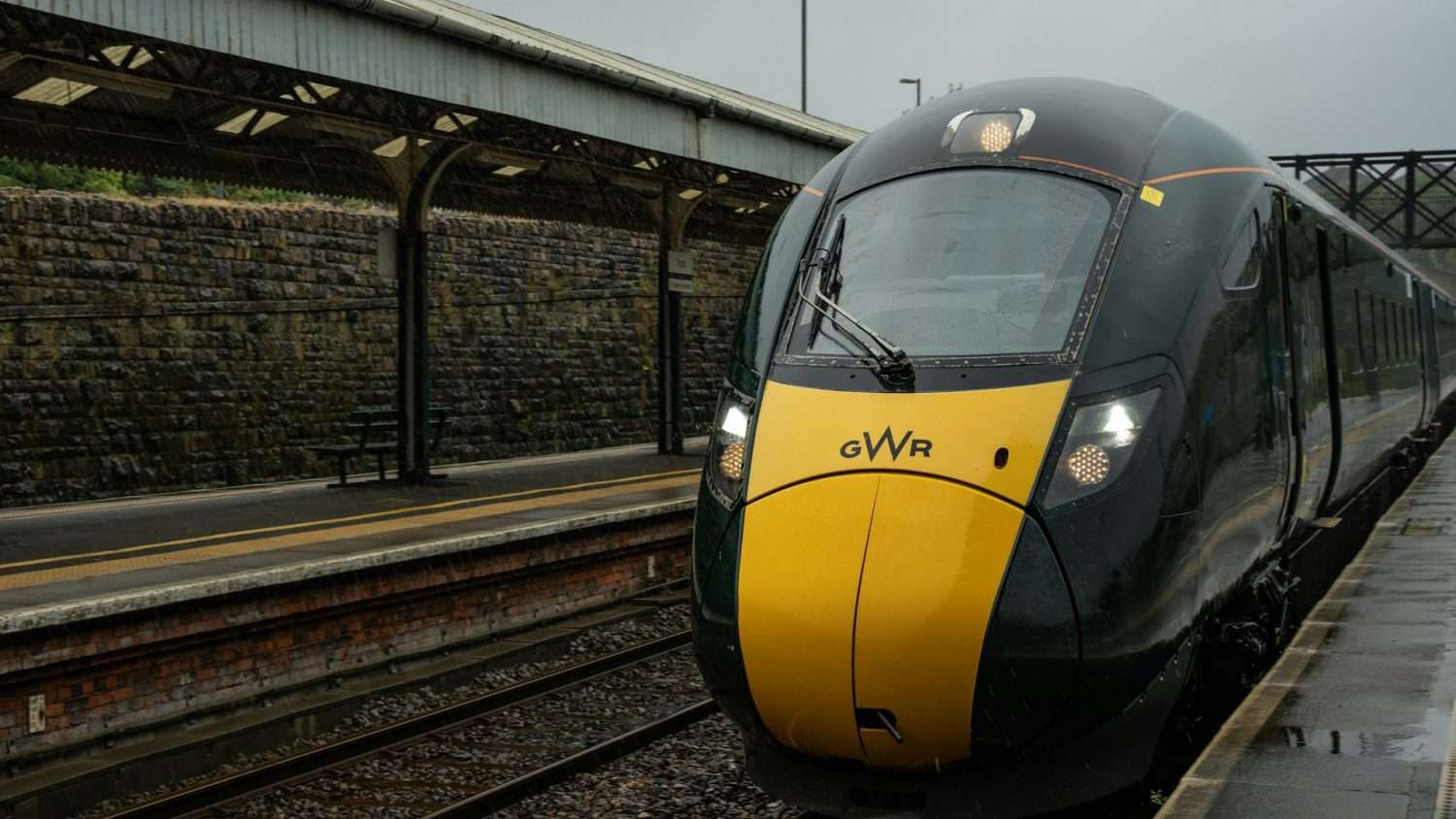
Great Western Railway runs direct trains between Exeter St Davids and London Paddington. A typical journey takes around two hours and ten minutes, while the fastest scheduled services can complete the trip in about two hours. Times vary according to the service, stopping pattern, time of day and planned railway work.
South Western Railway operates trains from Exeter Central and Exeter St Davids to London Waterloo. This route usually takes around three hours or longer.
Paddington is likely to be the more convenient arrival point for people working in west or central London. It connects with the Elizabeth line, London Underground, local buses and National Rail services.
Waterloo may be better for offices near the South Bank, Westminster or parts of the City. Although the rail journey is longer, a shorter trip across London could reduce the difference in total travel time.
The advertised rail journey does not show your complete commute. You may also need to allow time for:
- Travelling from home to the station
- Waiting before departure
- Changing trains or platforms
- Taking the Tube, Elizabeth line or a bus in London
- Walking from the final stop to your workplace
- Completing the same journey in reverse
- Managing delays, cancellations or missed connections
A train journey of just over two hours can become a door-to-door commute of three hours each way. Test the whole route before committing to a property.
Exeter St Davids or Exeter Central?
The station you expect to use should influence your property search.
Exeter St Davids is the city’s main station and the departure point for faster services to London Paddington. It also provides connections towards Bristol, Plymouth, Cornwall, the Midlands and other parts of Devon.
The station has step-free access to all platforms, lifts, toilets, waiting areas, public Wi-Fi, cycle storage, a taxi rank and parking. Facilities can change, so check the station information before making a journey that depends on a specific service.
Exeter St Davids sits below the city centre, close to St David’s and Exwick. The centre is accessible on foot, but some routes include steep sections. A short distance on a map may feel less convenient when carrying a laptop or returning after a long working day.
Exeter Central is closer to the High Street, Queen Street and parts of the University of Exeter. It is served by trains to London Waterloo and local services connecting with Exeter St Davids.
Living close to Exeter Central does not rule out using Paddington services. You could take a local train to St Davids, walk between the stations or use a bus or taxi. Each option adds time, while changing trains creates another point at which disruption may affect the journey.
Visit both stations at the time you expect to commute. This will show you how busy the platforms, roads and walking routes are on a normal working day.
Is a daily commute from Exeter to London realistic?
It is possible to travel from Exeter to London every weekday, but many people would find it difficult to maintain.
Even when using fast Paddington services, the return rail journey can take more than four hours. Travel at either end could push the daily total towards five or six hours. Early departures and late arrivals may reduce the time available for sleep, cooking, exercise, childcare and family life.
The arrangement is more manageable for people who:
- Attend a London workplace once or twice a week
- Can choose their office days
- Have flexible start and finish times
- Can complete suitable work on the train
- Work near Paddington or another easily reached location
- Can stay overnight when attending on consecutive days
- Receive help with travel costs
- Can rearrange office days during disruption
Ask your employer for a clear account of its hybrid-working policy before moving. An informal agreement with a manager may change if the team is reorganised or you move into another role.
Think beyond your current job as well. A future employer may require more office attendance or be based in another part of London. A home purchase should remain manageable if your employment arrangements change.
How much does commuting from Exeter to London cost?
Rail fares depend on the route, travel time, ticket type, availability and booking date. Check live prices for the days and services you would normally use rather than relying on a single example.
Advance tickets can reduce the price of occasional journeys, but they usually restrict you to a selected train. This can be inconvenient if a meeting finishes early or runs late.
Off-Peak and Super Off-Peak tickets may cost less where the permitted travel times fit your working day. Anytime tickets offer greater freedom but can be much more expensive.
Regular travellers can use the National Rail Season Ticket Calculator to compare available products. Options may include:
- Weekly Season tickets
- Monthly Season tickets
- Annual Season tickets
- Flexi Season tickets
- Advance tickets
- Off-Peak and Super Off-Peak tickets
- Railcard discounts for eligible travellers
A Flexi Season ticket provides eight days of travel within a 28-day period on eligible routes. It may suit someone attending a workplace twice a week, although it should still be compared with Advance and other return tickets.
Your overall commuting budget may also need to cover:
- Station access: Parking, buses, taxis or fuel in Exeter
- London travel: Tube, Elizabeth line or bus fares after arriving
- Food and drink: Purchases during early starts or late returns
- Overnight stays: Accommodation when office attendance falls on consecutive days
- Care costs: Longer childcare sessions or additional pet care
- Disruption: Alternative travel or accommodation after a cancellation
- Equipment: A suitable bag, portable charger, headphones or privacy screen
Some employers provide season-ticket loans or help with business travel. Check whether journeys to the London office are treated as ordinary commuting or business travel under your employer’s policy.
Getting to Exeter St Davids
Living close to Exeter St Davids could reduce the cost and uncertainty of the first part of your journey.
The station can be reached on foot from parts of St David’s, Exwick and the city centre. People living further away may need to use a local train, bus, bicycle, taxi or car.
If you expect to drive, check current parking charges and availability before viewing properties. Visit during the morning peak to see how busy the surrounding roads and car parks become. A parking space being available during an afternoon viewing does not show what conditions will be like before an early London train.
Cycling may work for some households. Look for secure bicycle storage at the property and check the route for gradients, traffic and lighting.
Consider the return journey after dark as well. A property may be close to the station but still involve an isolated, steep or poorly lit walking route.
Where to live in Exeter for the London commute
There is no single best area for London commuters. Your choice will depend on budget, property type, school requirements, local facilities and how often you need to travel.
St David’s is among the most convenient areas for Exeter St Davids station. It may suit buyers who want to keep the first part of the commute short while remaining near the river and city centre.
Exwick sits across the river and railway from St Davids. It is mainly residential and includes a mixture of property types. Walking times vary, so assess the route from the precise address rather than relying on the area name.
Central Exeter provides access to shops, cafés, restaurants and cultural venues. Local places include Exeter Cathedral, the Royal Albert Memorial Museum and Art Gallery and Exeter Phoenix. Depending on the address, residents may be able to walk to both Exeter Central and Exeter St Davids.
St James is close to Exeter Central and the city centre. It is also home to St James Park, the ground of Exeter City Football Club. Buyers should check parking conditions, match-day activity and noise at different times of the week.
Pennsylvania may appeal to people looking for residential streets and access to the University of Exeter’s Streatham Campus. Some parts are within walking distance of the centre, but the terrain and distance to St Davids should be tested in person.
Heavitree and St Leonards are established residential areas to the east and south-east of the centre. St Leonards is close to the city centre and Exeter School, while Heavitree has local shops and access to the Royal Devon and Exeter Hospital. Reaching St Davids from either area may require a bus, bicycle, taxi or car.
Pinhoe has its own railway station and includes older housing alongside newer developments. Local trains connect passengers with Exeter Central and St Davids, but the additional connection needs to work with the London service you intend to use.
Topsham has a railway station, a town-style centre and a setting beside the Exe Estuary. Darts Farm is based near Topsham and includes a farm shop and places to eat. The area may suit buyers seeking a smaller community, but the journey into Exeter must be added to the complete commute.
Cranbrook has newer housing and a railway station on the line towards Exeter. Check early-morning connections carefully, including the time and method required to reach Cranbrook station from the property.
Schools and family arrangements
Exeter has state and independent schools, but admissions policies and designated areas can change. Living near a school does not guarantee a place.
Families should check current arrangements through Devon County Council school admissions before committing to a property.
School times also need to fit around the commute. An early London train may leave before breakfast clubs open, while a delayed return could make an afternoon collection impossible.
Your plan may need to include:
- Morning cover: Help with breakfast, school preparation and drop-off
- Afternoon collection: A dependable person who can collect children if the train is delayed
- Wraparound care: Breakfast clubs, after-school clubs or a registered childminder
- Emergency arrangements: A backup contact who can help during cancellations
- Shared responsibilities: A clear plan between parents or carers for commuting days
Include any related costs in the household budget before deciding how often the London journey will be affordable.
Life in Exeter when you are not commuting
A move needs to work on home-working days, evenings and weekends, not only on days spent in London.
Exeter has a compact centre, universities, hospitals, sports clubs, independent businesses and cultural venues. The River Exe and Exeter Quayside provide walking and cycling routes close to the centre.
The Exploding Bakery operates a café in Exeter, while Exeter Brewery is based close to Exeter St Davids. Both are examples of independent businesses within reach of the city centre and station area.
Sports supporters can follow Exeter Chiefs at Sandy Park or Exeter City at St James Park.
Rail services also connect Exeter with Exmouth, Dawlish, Okehampton, Barnstaple and destinations across South Devon. Access to the coast, Dartmoor and the surrounding countryside may be one of the main reasons for accepting a longer London journey.
Spend time in each shortlisted neighbourhood during a weekday evening and at the weekend. Check local shops, parking, traffic, noise and public transport outside normal property-viewing hours.
Can you work on the train?
Using part of the rail journey for work could make the commute easier to manage. Reading, writing, planning and answering emails may be possible on a direct service.
Do not assume that mobile reception or onboard Wi-Fi will work throughout the journey. Download documents before leaving home and avoid arranging calls that depend on a stable connection.
A portable charger, headphones and privacy screen can help. Take care when handling confidential information because other passengers may be able to see your screen or hear conversations.
Ask your employer whether work completed on the train counts towards your contracted hours. Being able to answer emails during the journey does not automatically mean that the commute forms part of the working day.
Planning for delays and timetable changes
Long-distance services can be affected by engineering work, signalling problems, train faults, staffing issues and severe weather.
Use the GWR journey planner before setting off for Paddington. Travellers using the Waterloo route should check South Western Railway travel updates.
Weekend services may follow a different timetable and can involve diversions or replacement buses. This is relevant if you work at weekends or travel to London regularly for leisure.
Your backup plan could include:
- Remote working: Moving the office day when disruption is announced early
- Alternative route: Using the other London service where tickets permit
- Overnight accommodation: Staying in London after late meetings
- Meeting flexibility: Allowing enough time between arrival and important appointments
- Household support: Having another person available for childcare or pet care
A backup plan will not prevent disruption, but it can reduce the effect on work and family commitments.
Test the commute before making an offer
Complete at least one trial commute from the neighbourhood you are considering. If possible, travel on the same weekday and at the same time you would use after moving.
Record:
- Departure time: When you leave the property
- Station arrival: When you reach the platform
- Local travel cost: What you spend reaching the station
- London arrival: When the train reaches Paddington or Waterloo
- Workplace arrival: When you reach your final destination
- Return time: When you arrive back at the property
- Additional spending: Food, drinks and local transport
- Working conditions: Whether you can work comfortably on the train
- Personal effect: How tired you feel at the end of the day
One trial cannot predict every future journey, but it provides a more useful basis for a property decision than a timetable alone.
Is commuting from Exeter to London right for you?
Commuting from Exeter to London can work for hybrid employees who want to live in Devon while retaining access to employment in the capital. Direct trains to Paddington make occasional and once-weekly attendance realistic for many people.
The arrangement becomes harder as office attendance increases. Travel costs, early departures, late returns and onward connections across London can create a long working day.
Before making an offer, test the commute, compare ticket options and calculate the full yearly cost. Check your employer’s working policy and consider how the move would work after a job change or an increase in office attendance.
A property with practical access to Exeter St Davids, suitable space for home working and useful local facilities is likely to provide greater flexibility over the years ahead.


